

Why Most Digital Marketing Campaigns Fail, How to Fix Them
Introduction
Digital marketing is everywhere—yet many businesses struggle to see real returns. Ads run, content is posted, emails are sent, but conversions remain low. The problem is not marketing itself; it’s how marketing is executed.
This article breaks down why campaigns fail and outlines a proven framework for building high-performing, ROI-driven digital marketing systems.
The Core Problem: Activity Without Strategy
Many businesses focus on doing marketing instead of building a marketing system. Running ads without a funnel, posting content without intent, or sending emails without segmentation leads to wasted spend and poor results.
Common failure points include:
-
No defined customer journey
-
Weak targeting and messaging
-
Lack of data-driven optimization
-
Disconnected tools and platforms
What High-Performing Marketing Actually Looks Like
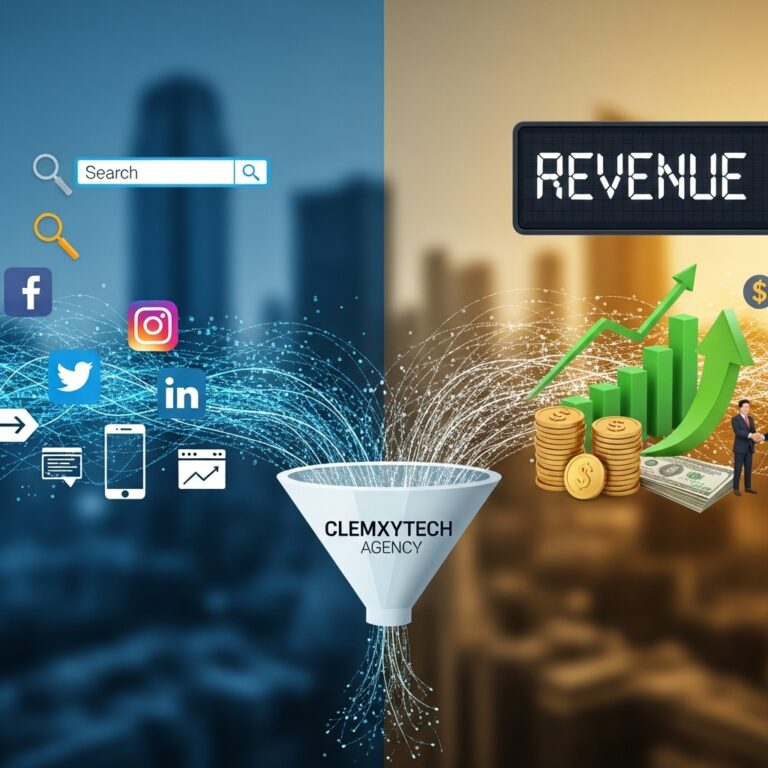
Successful marketing starts with clarity and alignment. Every campaign should connect traffic, messaging, user experience, and conversion into one flow.
Key pillars:
-
Clear audience positioning
-
Funnel-based campaign design
-
Conversion-focused landing pages
-
Data tracking and continuous optimization
Marketing should guide users from attention → trust → action, not leave them guessing.
How Data Transforms Marketing Results
Data is the difference between guessing and scaling. Businesses that track performance consistently outperform those that rely on intuition.
Effective data usage includes:
-
Monitoring click-through and conversion rates
-
Understanding user behavior on pages
-
Identifying drop-off points in funnels
-
Refining campaigns based on real insights
Benefits of a Strategic, Data-Driven Approach
-
Higher ROI on ad spend
-
Better-qualified leads
-
Consistent and predictable growth
-
Reduced waste in marketing budgets
-
Clear visibility into what works
Final Insight
Marketing success is not about running more campaigns—it’s about running smarter systems. Businesses that invest in strategy, data, and execution alignment create sustainable growth instead of short-term spikes.